Life is a long and lingering feast;
dessert, perhaps, its final hope.
As big data and artificial intelligence become deeply entwined with everyday life,
our ways of knowing are narrowed, blurred, and gradually formatted.
Truth and falsehood become little more than shifting shades of grey.
Hope, once realised through lived experience, is reduced to what can be instantly seen and obtained.
“Browse the ten most beautiful places to see before you die” appears in oversized type.
To see becomes to know; browsing replaces travelling.
Amid the uncertainty of life,
we drift before our screens,
immersed in a visual dialectic—
half-open eyes,
half-asleep, half-awake.
In the final moment before we leave,
what do we hope to see?
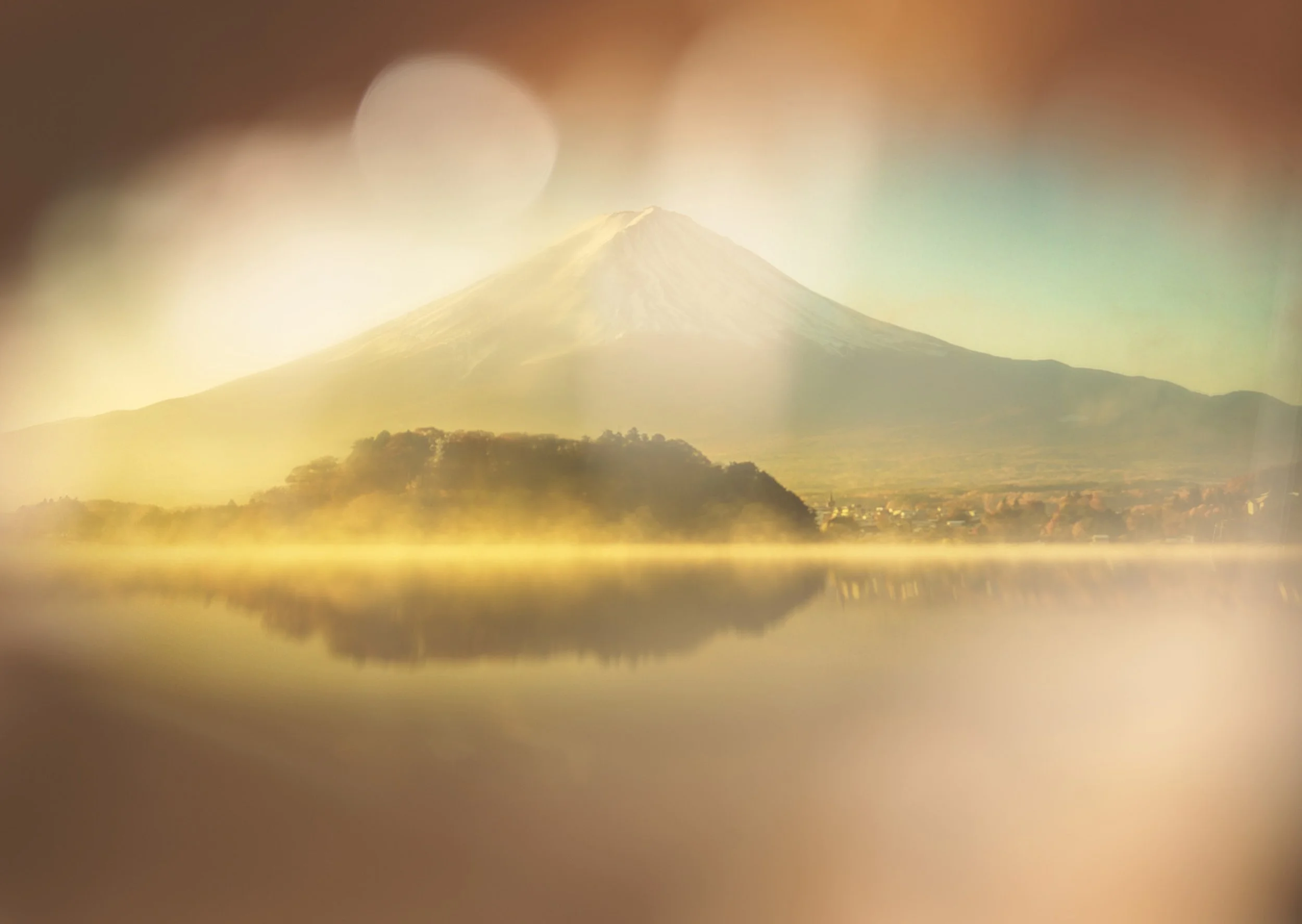
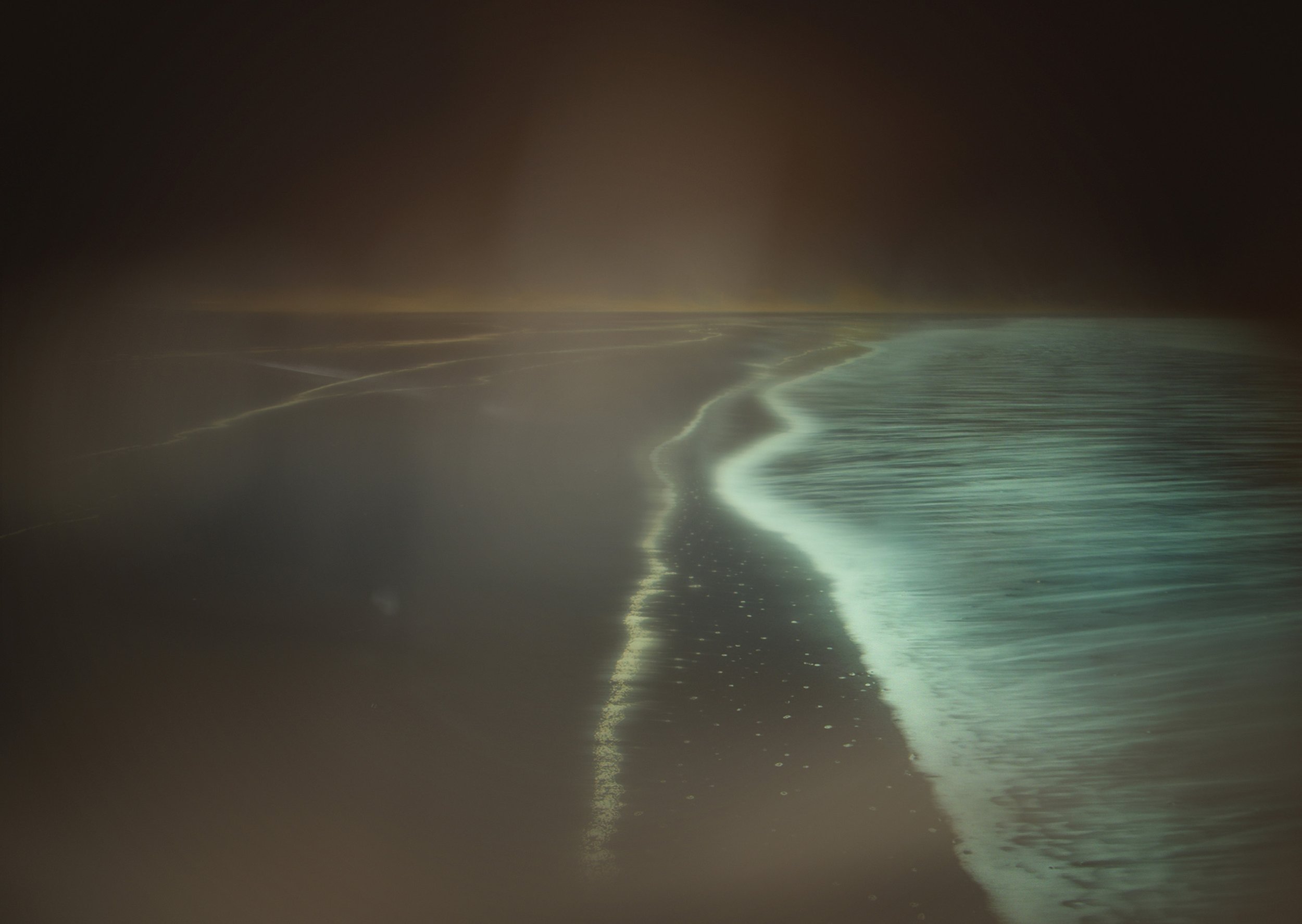
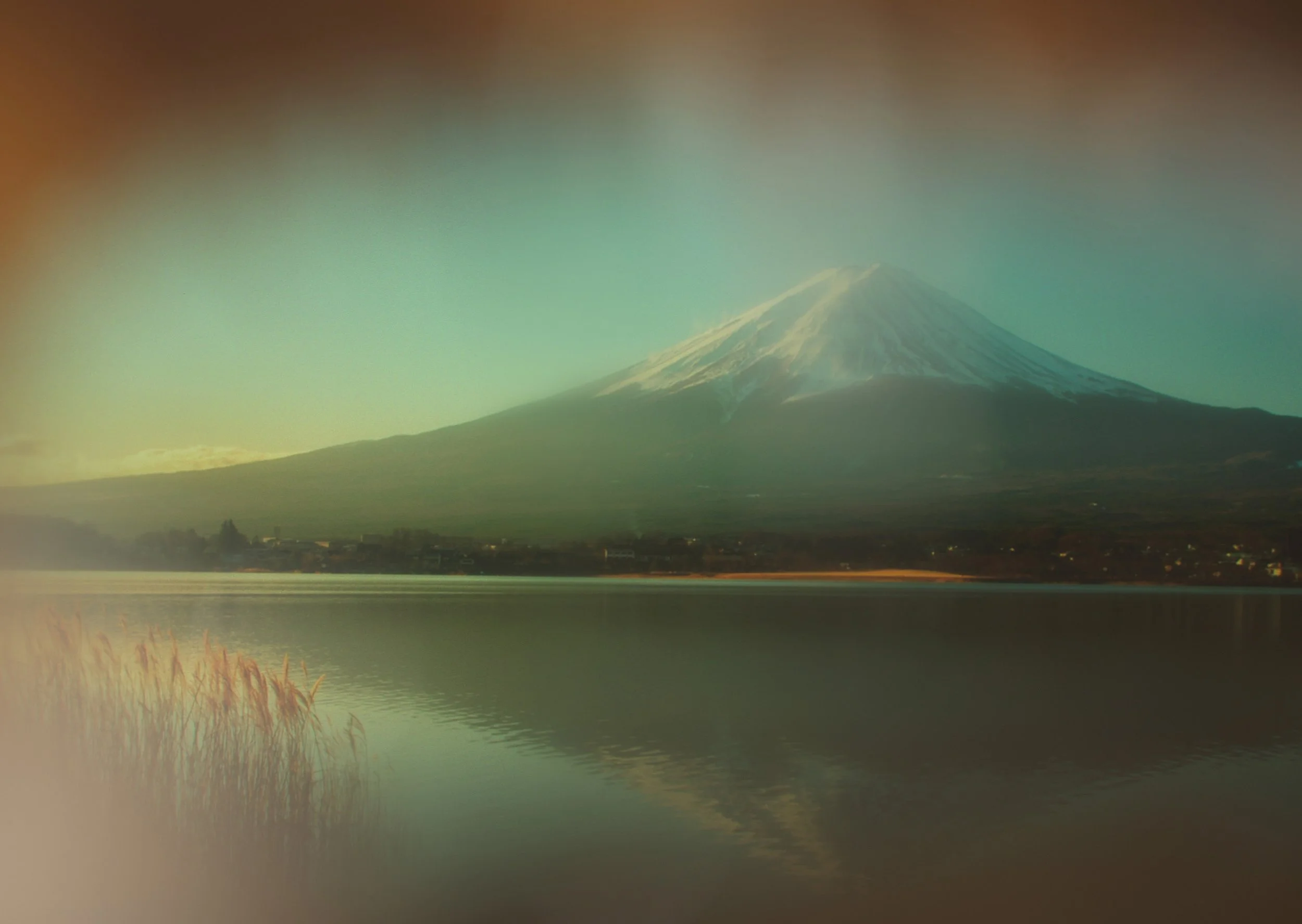
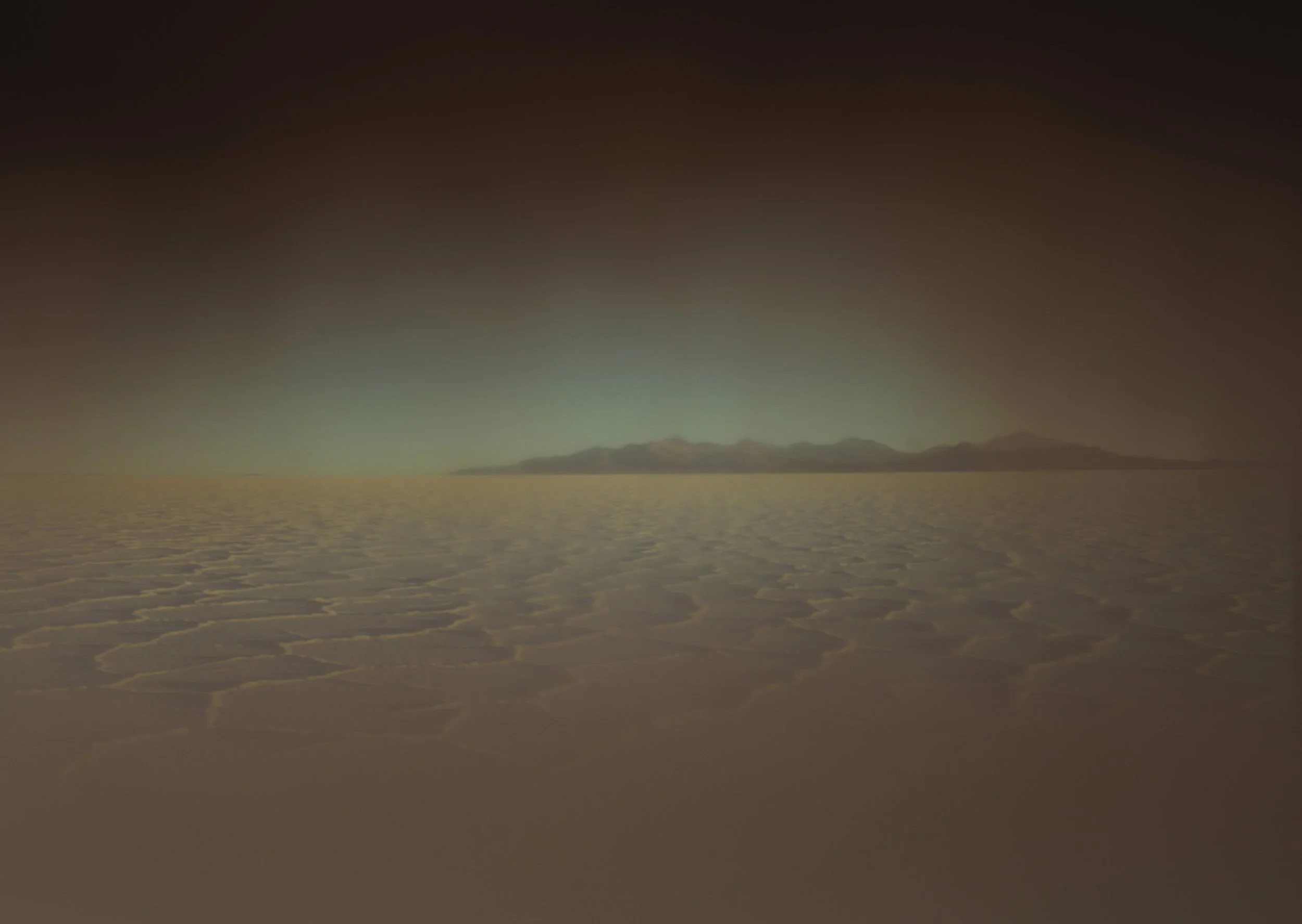
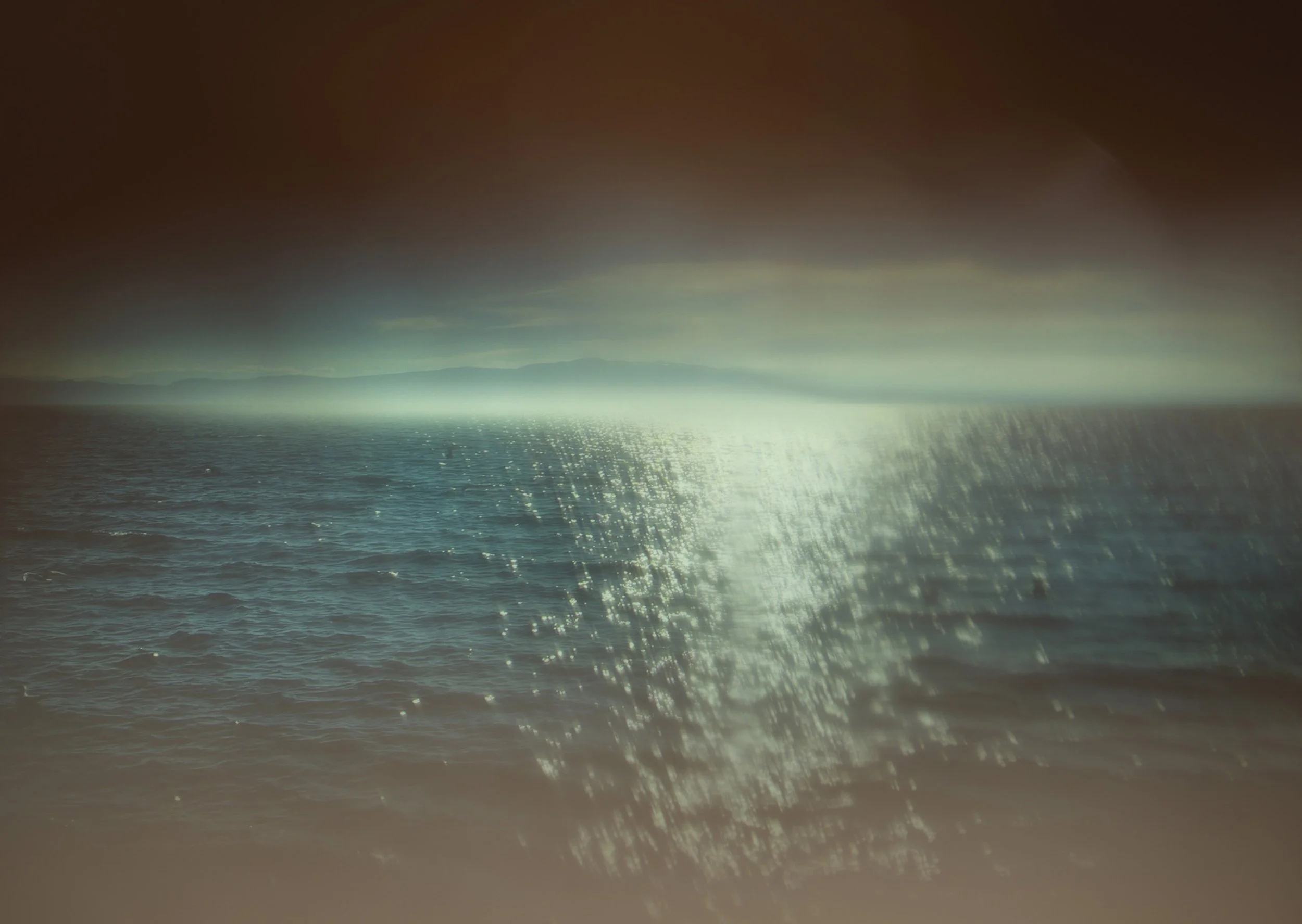
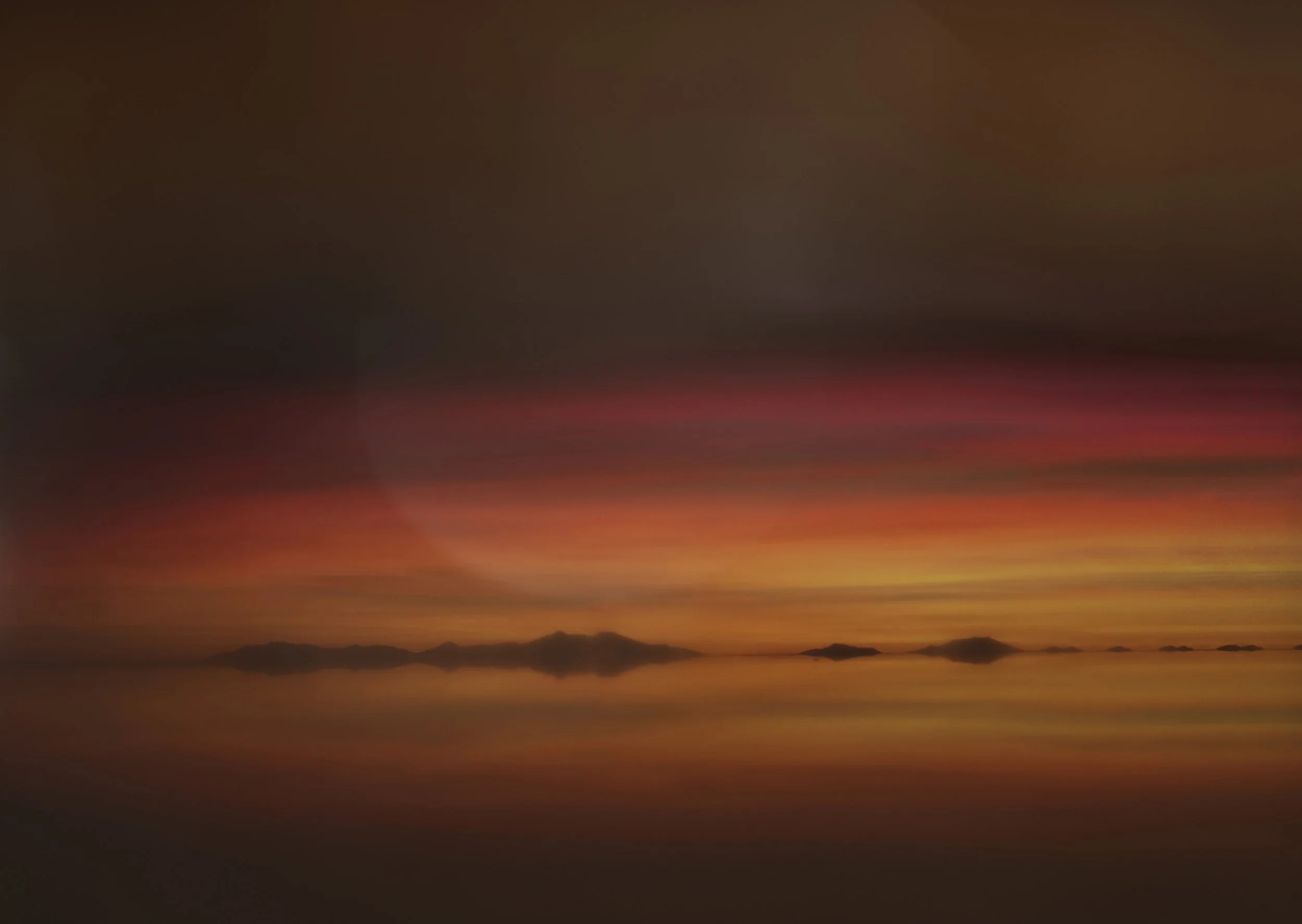
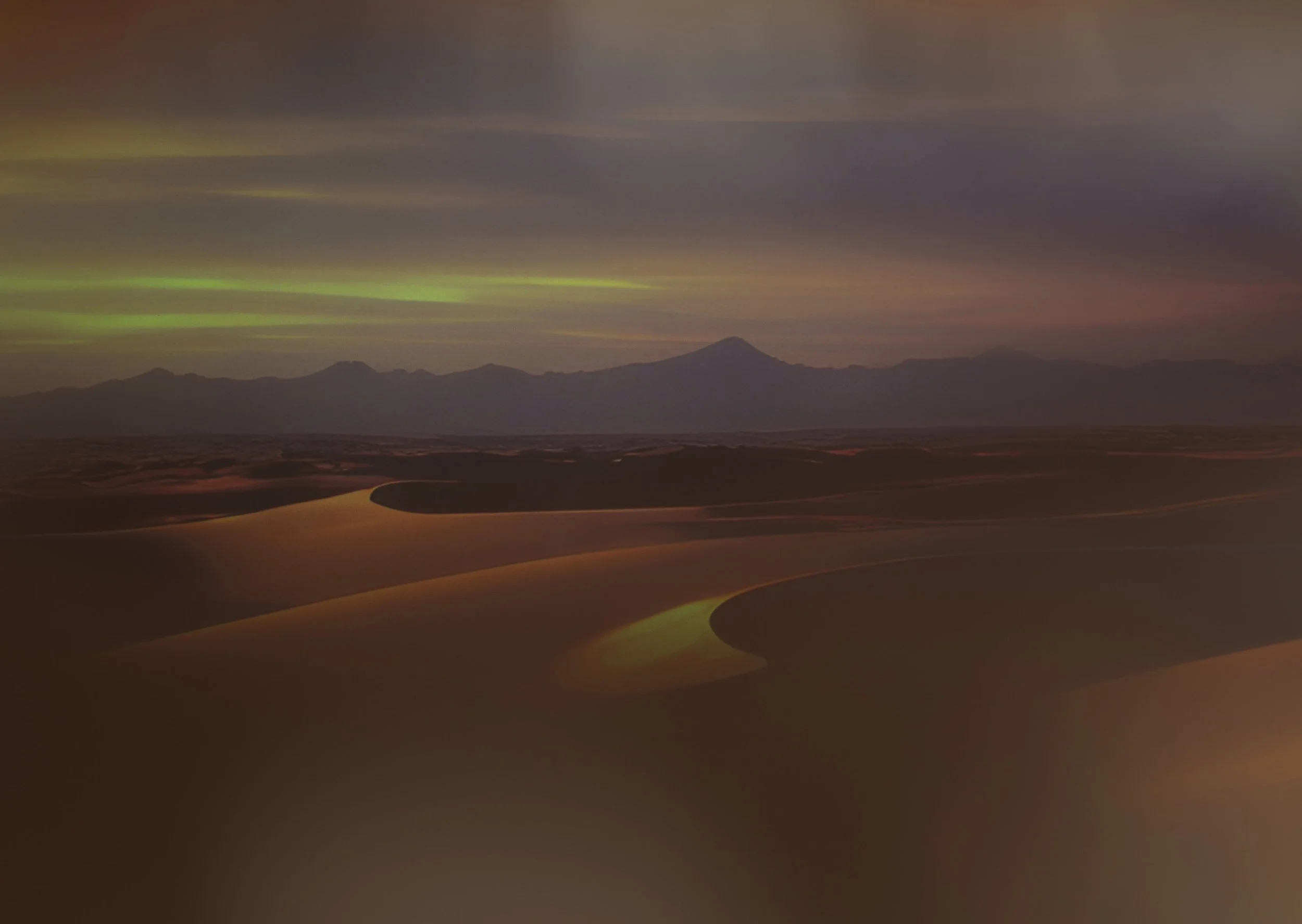
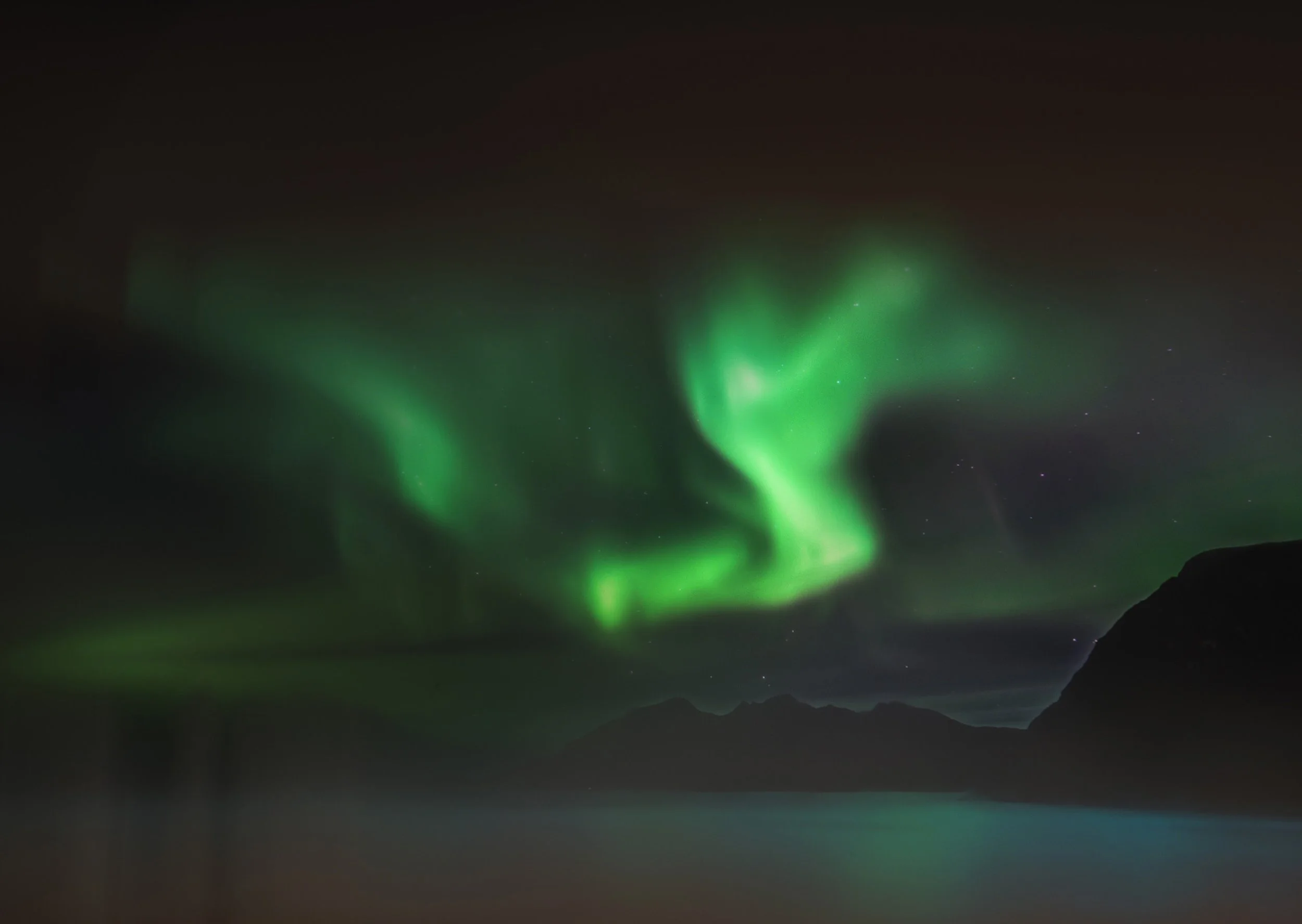
Research statement
Following the deep integration of big data, artificial intelligence, and algorithms into everyday life, the ways in which we see the world are quietly changing.
Images no longer merely document experience; they are gradually becoming experience itself. Browsing begins to replace travelling, and seeing increasingly comes to stand in for having been there. As the world is rapidly reproduced, circulated, and consumed across countless screens, memory is formed less through lived experience and more through images encountered again and again.
After Dessert is not primarily concerned with technology itself. Rather, it asks a more fundamental question:
As images increasingly replace experience, how do we construct our memories? And are the ways in which we perceive the world being reshaped in the process?
Today, lists such as “ten places to see before you die” and “experiences not to be missed” circulate constantly across media. Hope no longer arises from the unknown or from direct encounter, but from experiences of seeing that have already been framed in advance. At the same time, the boundary between the real and the artificial becomes increasingly unstable within the continuous flow of images. Looking begins to replace arriving; familiarity begins to replace understanding.
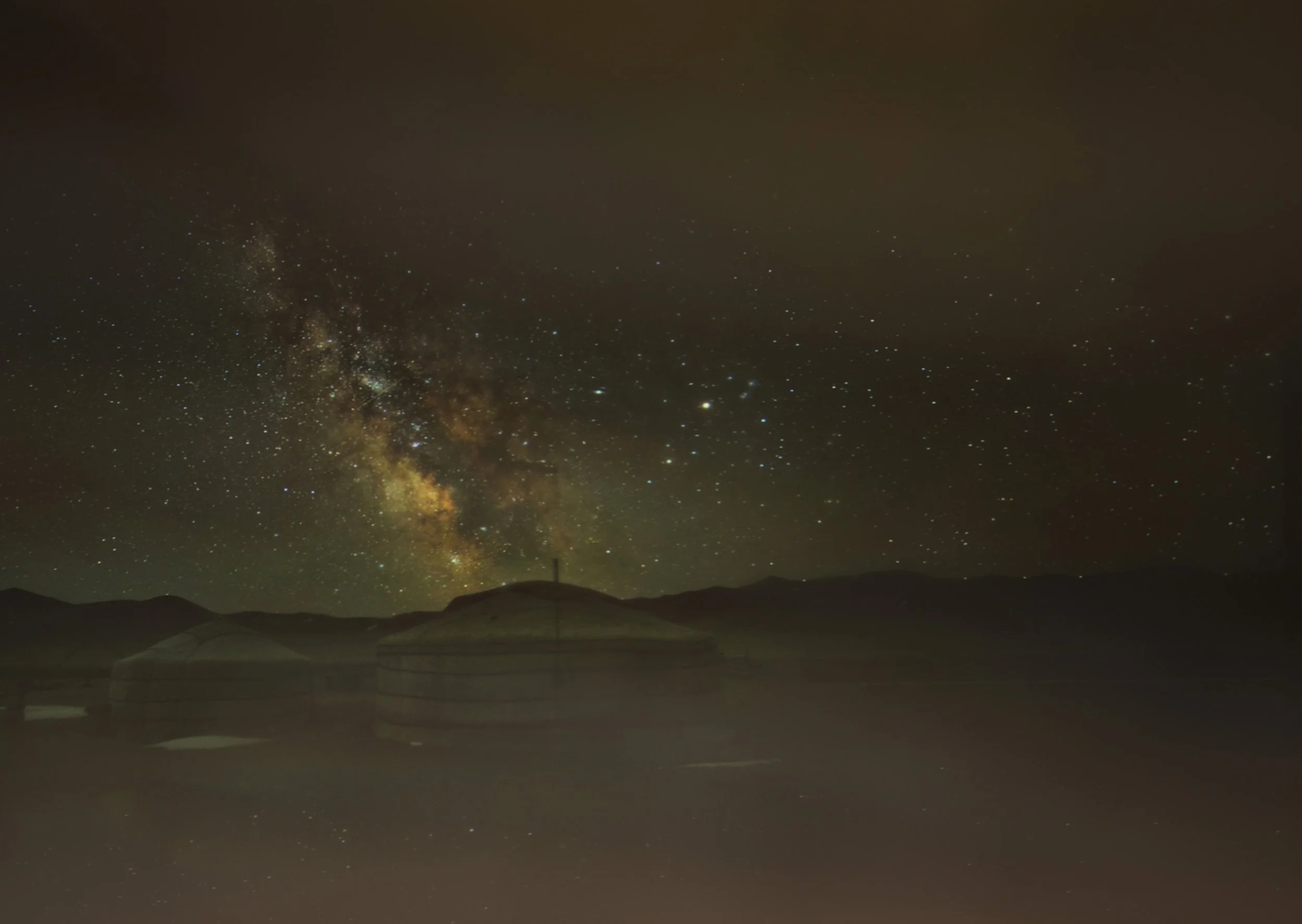
I therefore return my gaze to landscapes that have already been seen countless times. Here, photography is no longer simply a means of recording scenery, but a way of reflecting on the mechanisms of seeing. My concern is not the destination itself, but the images that already inhabit our collective memory, and the ways in which they quietly shape our understanding of the world.
Perhaps we are beginning to remember things we have never truly experienced.
What is changing, then, is not only memory, but the very way we perceive the world.
Artwork Information
Archival inkjet print
90 x 64 (cm)
Edition of 3 + 2ap
2024